Christian traditions
A Pentecostal Ministry Prep Session Still Needs Discernment
Outlines, questions, and background can help with preparation. The teaching still needs a careful reader and a responsible ministry leader.
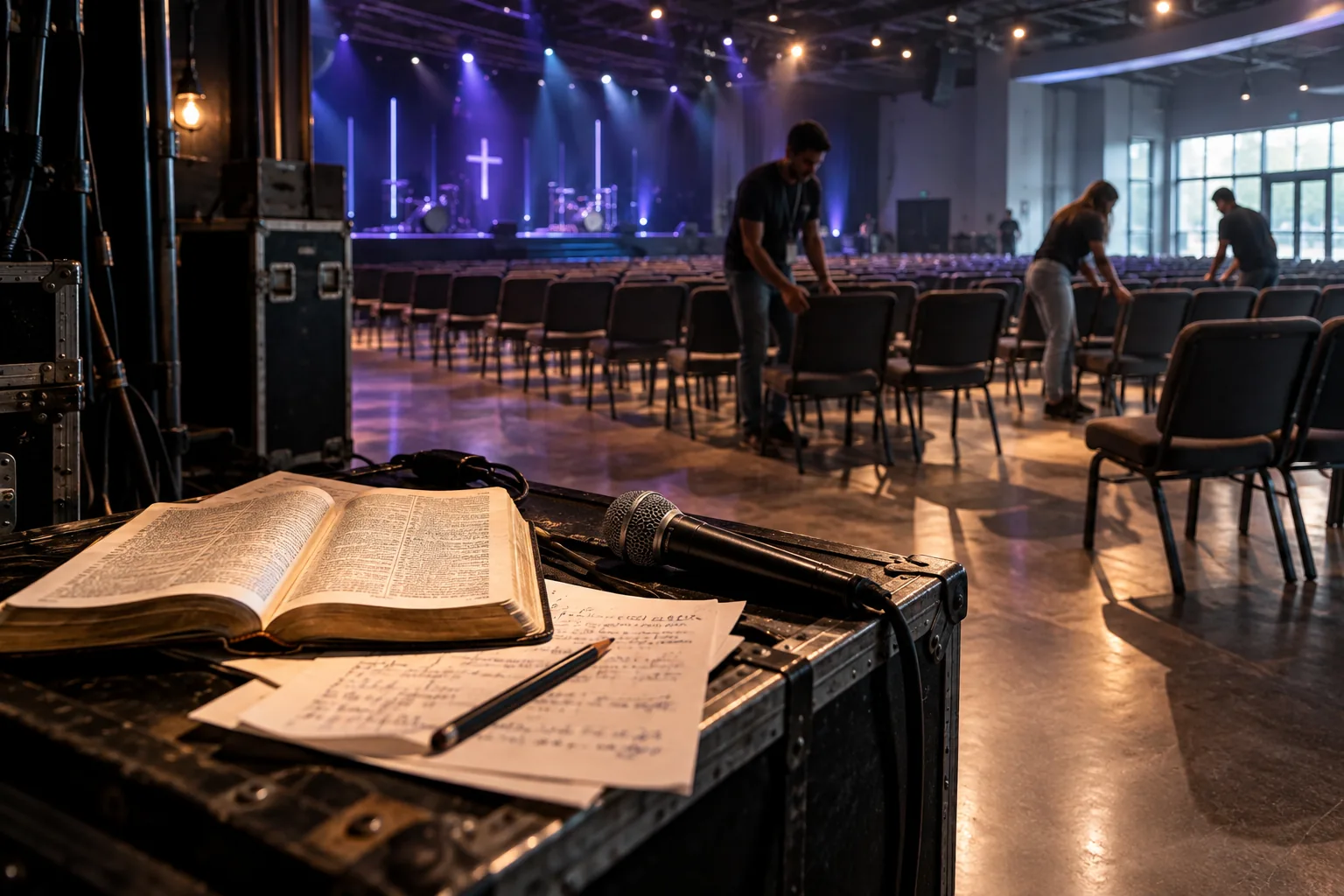
The chairs will need arranging, someone has a question about the music, and your notes for the gathering still contain a heading followed by a blank space.
AI can be appealing in that moment because it produces structure quickly. A discussion outline, a list of questions, or a plain-language explanation can make preparation more manageable. The speed also makes it easy to carry an answer into ministry before you have examined it.
A useful preparation tool should leave you more ready to take responsibility for what you teach.
Read before requesting the outline
Choose the passage and study it yourself. If you are preparing from Acts 2, notice the sequence of events, the speech, and the response. Write the questions you need to investigate before asking the tool to organize a session.
Tell BibleGuided the Pentecostal context you want and the audience's familiarity with the Bible. Ask it to separate observation, interpretation, and application. Then check each part against the passage.
A confident outline should never spare you the work of understanding its main claims.
Specify the church body when it matters
Pentecostal Christianity includes different church bodies and theological positions. The Assemblies of God's Statement of Fundamental Truths is one public source for its own teaching, including its understanding of the Holy Spirit and spiritual gifts. It should be identified as that body's statement, rather than treated as a description of every Pentecostal church.
Use your congregation's own doctrinal commitments and leadership guidance when preparing ministry material. Ask the tool to identify where a source belongs.
Give the group questions, not a performance
An outline can become so polished that it leaves no room for people to think. Choose a few questions that send participants back to the text. Remove language you would not naturally use.
If a generated illustration includes a named person or an apparent testimony, verify it or discard it. Do not present an invented experience as something that happened to you or someone else.
You can use a clearly labeled hypothetical example, but an ordinary question may serve the group just as well.
Keep spiritual claims accountable
An AI system cannot receive a word from God on your behalf or certify a spiritual impression. It can help discuss texts and prepare questions for discernment within the church.
Bring substantive uncertainties to your pastor or ministry supervisor. Review the final material as something you are responsible for, including every quotation and reference.
The preparation has helped when you can explain the passage in your own words and listen well to the people who gather. Once the chairs are filled, your attention belongs in the room.
Published by BibleGuided. Read our editorial approach.
Explore BibleGuided’s Christian AI tools →