Church & community
The Faith Question You Type Before You Ask It at Church
Some questions are easier to type than say aloud. How a private first draft can become a better conversation with your church.
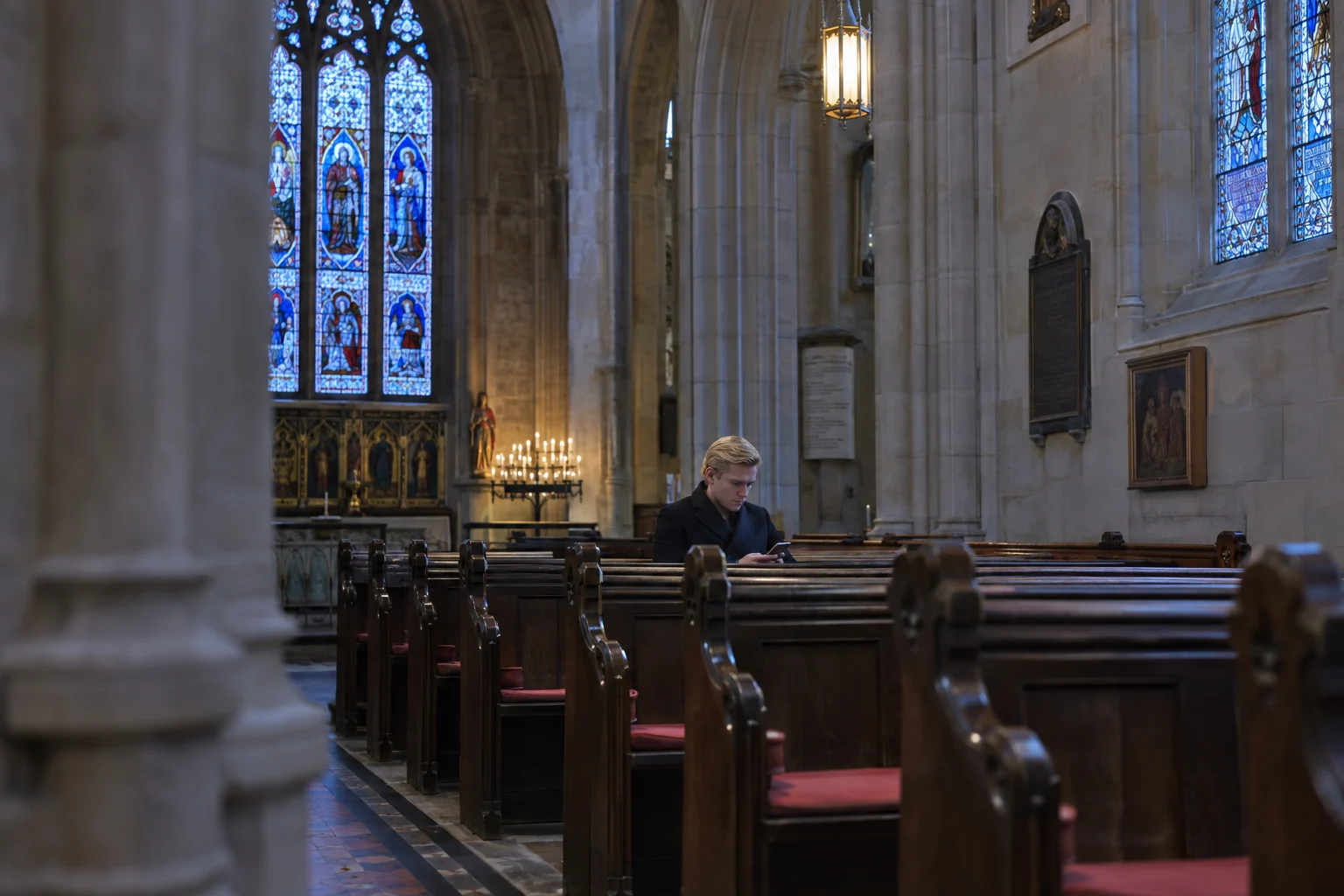
You wait until the service is over. Your question has been with you all week, but the person you hoped to ask is speaking to someone else. There is a line at the coffee urn. You tell yourself another Sunday will be easier.
Typing the question later can feel simpler. No one has to see you struggle to phrase it. You can delete the first attempt. You can ask what a word means without interrupting a conversation already moving past you.
That ease can be useful. It can also become a reason to keep a question permanently away from the people who could help you carry it.
What makes a question difficult to say?
The problem may be the subject. Doubt, unanswered prayer, a painful church experience, or confusion about a teaching can feel risky to mention. Sometimes the problem is much smaller: you think everyone else learned the answer years ago.
An AI conversation can help separate those concerns. Ask yourself whether you need information or whether you fear what someone will think of you for asking.
If you need information, request a clear explanation and sources. If you fear the conversation, a complete theological essay may not address the barrier. You may need one honest opening sentence.
Make a first draft, then make it yours
Try telling BibleGuided, “I want to ask my pastor about this, but I keep making the question too long.” Request a short version that preserves your uncertainty rather than smoothing it away.
A useful draft might begin, “I hear this teaching often, but I don't understand how it fits this passage.” Or, “I need to talk about something that happened at church, and I am nervous about bringing it up.”
Read the wording carefully. Does it say what you mean? Does it accidentally make an accusation you are not ready to make? Change it until you can imagine saying it aloud.
An answer is only part of what church can offer
A person can ask about your history, notice that a question hurts, and stay with a conversation across several weeks. A church can offer prayer, worship, friendship, and practical care.
AI can organize ideas and suggest readings. It cannot make those commitments to you. Treat its answer as preparation, especially when the question concerns your own life or your relationship with a congregation.
If the difficulty involves mistreatment by a leader, choose someone safe and sufficiently independent to help. You do not have to bring a concern first to the person whose behavior troubles you.
Ask for a time, not a perfect opening
After-service conversation may never offer the space you need. A short message requesting a meeting can make the question easier to bring.
You can take notes. You can say that you are still sorting out what you think. You can ask for a source and return after reading it.
The question you type tonight may become the first sentence of a conversation that lasts longer, and gives you more, than you expected.
Published by BibleGuided. Read our editorial approach.
Explore BibleGuided’s Christian AI tools →